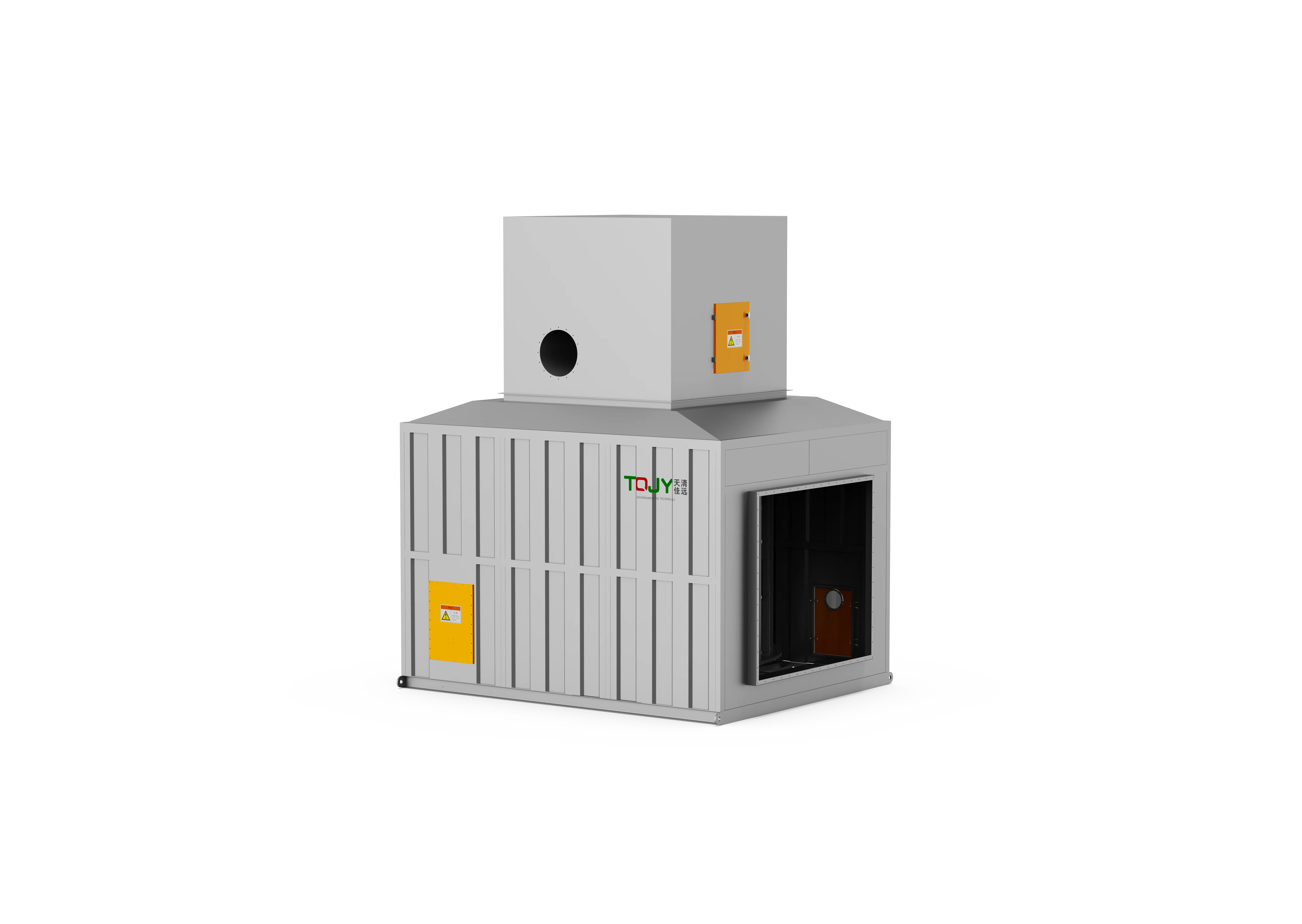
WESP vs Dust Collector for Industrial Oil Mist and Fine Aerosol

WESP vs Dust Collector for Industrial Oil Mist and Fine Aerosol

How to distinguish fine, sticky oil mist and aerosol duty from dry particulate collection when assessing WESP, filters and wet pretreatment.

Dry dust and sticky aerosol behave differently

Baghouses and cartridge collectors are commonly evaluated for dry particulate such as cutting dust, grinding dust and powder handling. Fine oil mist, greasy aerosol and condensable fume can adhere to dry filter media and require a different collection approach.
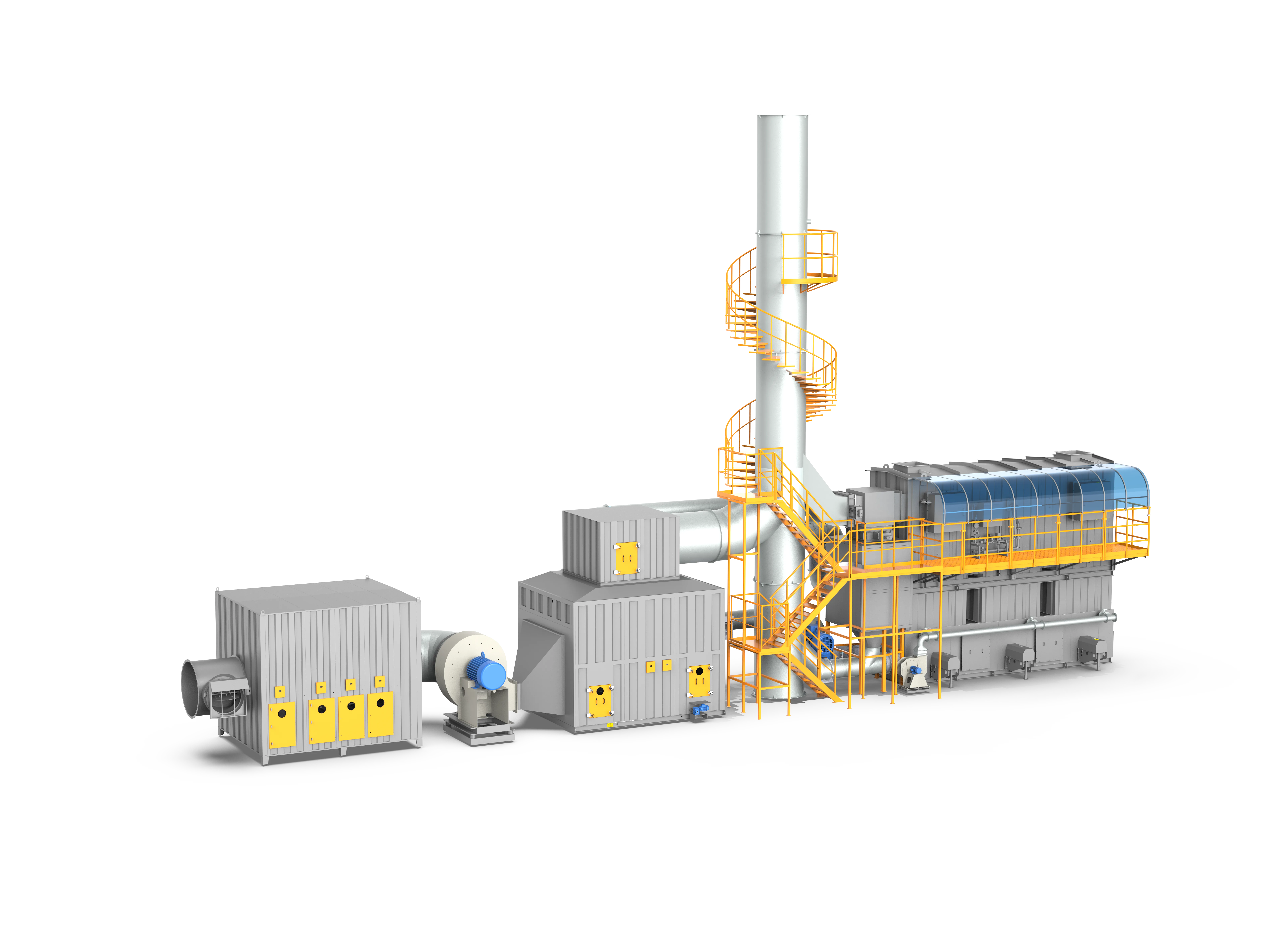
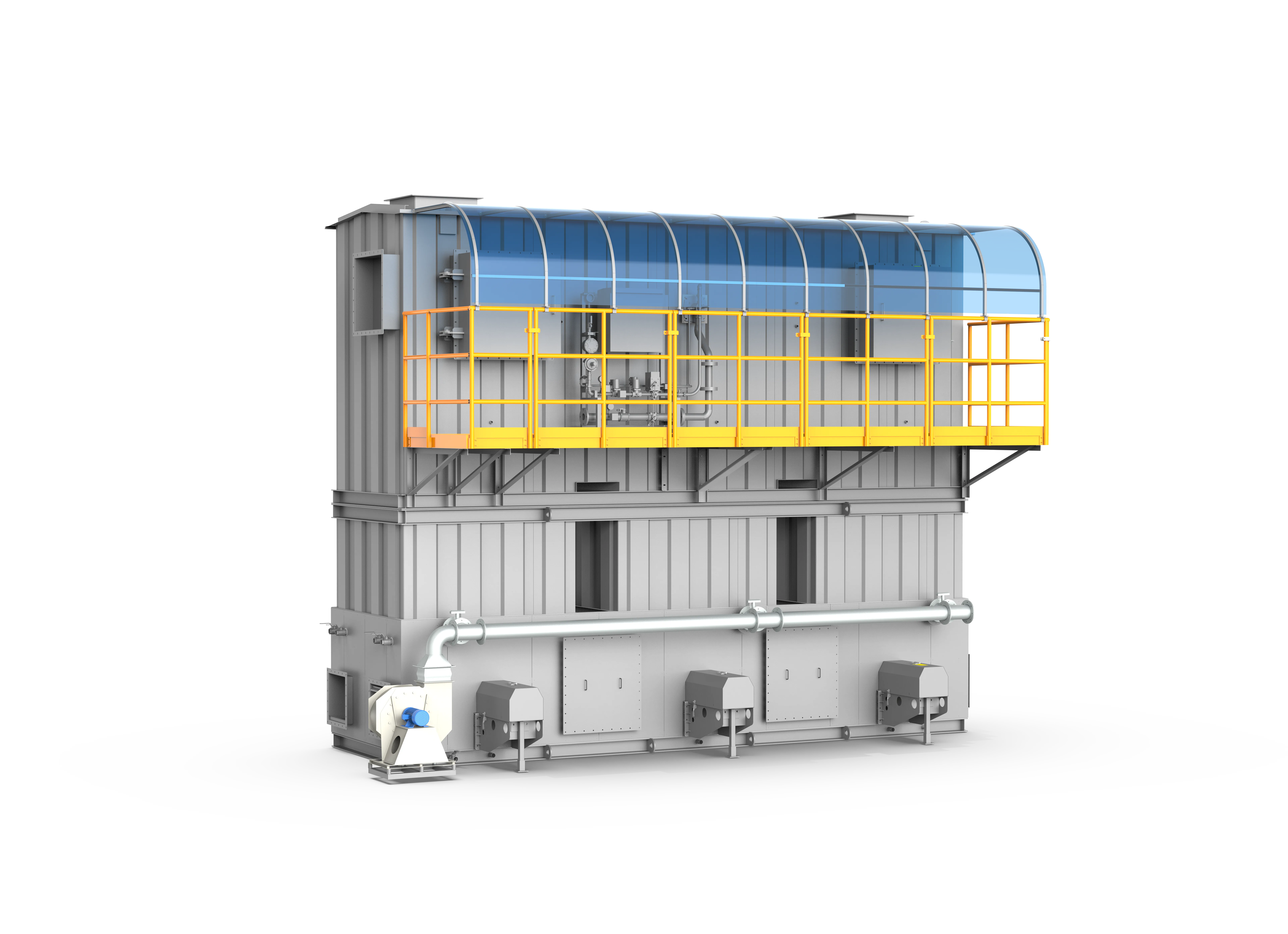
Where WESP fits

Wet electrostatic precipitators charge and collect fine particulate or aerosol on irrigated collection surfaces. The continuous washing action makes WESP a useful option for sticky or oily fine mist, often after an upstream scrubber or other conditioning stage.

Pretreatment can still be required

A spray scrubber or other front-end stage can cool the gas, remove coarse load and condition the stream before WESP polishing. The correct arrangement depends on droplet carryover, grease loading, gas temperature, corrosion and wastewater management.

WESP is not automatically a VOC destruction system

WESP primarily addresses fine particulate, oil mist and aerosol. If the exhaust also contains a material organic-gas load, a separate adsorption, oxidation or odor-control stage may be required after the pollutant chemistry is reviewed.

Apply this to your plant

Send process data for a configuration and quotation path.

Request Quote